

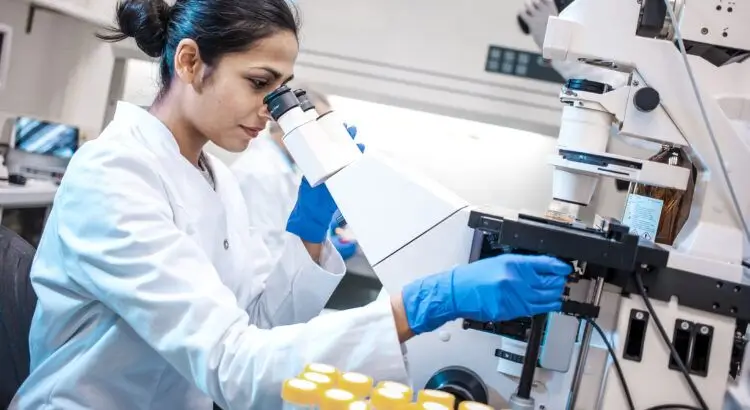
Cancer research continues to advance with better tools and more precise methods that improve outcomes and scientific clarity. Among these tools, biopsy analysis plays a key role in shaping accurate findings and guiding clinical progress. Researchers depend on real tissue evidence to study disease behavior, evaluate treatment response, and refine diagnostic techniques with confidence.
This approach helps them move beyond assumptions and focus on measurable, evidence-based data. This article explains how biopsy samples strengthen oncology research and improve overall scientific accuracy.
1. Precise Diagnosis Through Cellular Examination
Accurate diagnosis begins at the cellular level, where pathologists examine tissue under a microscope. This process reveals the exact nature of abnormal growth and helps classify tumor types with clarity. When experts analyze breast biopsy tissue samples, they gain direct insight into cell structure, growth patterns, and abnormalities.
Such detailed observation reduces uncertainty and supports the correct identification of cancer stages. As a result, researchers can group patients more effectively in clinical studies. This accuracy ensures that findings reflect real disease patterns, which improves the reliability of research outcomes.
2. Better Understanding of Tumor Behavior
Every tumor behaves differently, and biopsy samples provide valuable clues about these differences. By studying tissue composition, researchers can identify how aggressive a tumor may be and how quickly it might grow. These insights allow scientists to predict disease progression with greater confidence.
In addition, biopsy analysis helps uncover how tumors interact with surrounding tissues. This knowledge supports the development of targeted therapies that address specific tumor traits. With clearer data, research teams can design studies that reflect actual patient conditions rather than assumptions.
3. Improved Treatment Development and Testing
New therapies require accurate testing environments, and tissue samples serve as a reliable foundation for this process. Scientists use biopsy-derived material to evaluate how treatments affect cancer cells before moving to clinical trials. This step reduces risk and increases the chances of success.
Key Contributions to Treatment Research
- Provides real human tissue for laboratory testing
- Helps assess drug response at a cellular level
- Supports the development of personalized treatment plans
- Enables comparison between different therapy options
These benefits allow researchers to refine treatments before they reach patients. As a result, therapies become more effective and tailored to specific cancer types.
4. Enhanced Genetic and Molecular Insights
Modern oncology research focuses heavily on genetic and molecular data. Biopsy samples offer access to DNA, RNA, and protein structures within cancer cells. By analyzing these elements, scientists can identify mutations and biomarkers linked to specific cancers.
This information plays a vital role in precision medicine, where treatments target unique genetic features. When researchers work with breast biopsy tissue samples, they can detect subtle molecular changes that influence treatment response. These discoveries lead to more accurate predictions and improved therapy selection.
5. Stronger Validation of Research Findings
Reliable research depends on strong evidence, and biopsy samples provide that foundation. Scientists use tissue analysis to confirm findings from imaging studies, blood tests, and other diagnostic tools. This cross-verification ensures that conclusions rest on solid data.
Furthermore, biopsy-based validation reduces the risk of false assumptions in research studies. When findings align with actual tissue characteristics, confidence in the results increases. This level of accuracy supports better clinical decisions and advances scientific understanding.
In addition, validated data helps researchers build consistent study models. These models improve collaboration across institutions and lead to more unified progress in cancer research.
Accurate research forms the backbone of effective cancer treatment and scientific progress. Biopsy samples provide direct, reliable evidence that supports diagnosis, treatment development, and molecular analysis. Their role in oncology research continues to strengthen precision and confidence in every stage of study.