

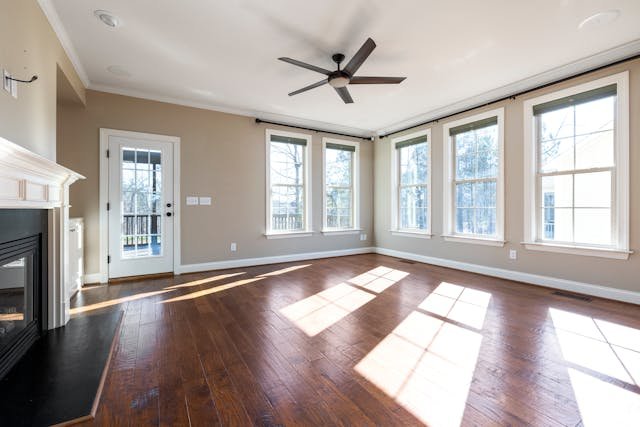
A room feels “done” when everything looks like it belongs together, not because you bought matching sets, but because the space has a clear point of view. The easiest way to get there is to start with the one feature you literally live on: the floor. When you make smart decisions at ground level, every choice after that gets simpler, faster, and more confident, right down to the finishing touches with premier hardwood flooring.
Most people decorate in reverse. They fall in love with a lamp, then chase a rug that “sort of” works, then realize the floor tone is pulling the whole room in a different direction. Starting with the floor flips that frustration into a plan. It gives you an anchor, a color reference, and a texture baseline that quietly guides everything else, from paint to fabrics to furniture shape.
Light is the other quiet boss of the room, because it changes how every material reads across the day. A warm wood tone can look honeyed at sunrise and slightly orange at night, while a cooler finish can look crisp at noon and a bit gray in shade. The trick is not fighting the light, but partnering with it, especially once you start thinking about window treatments and the job of shading bright rooms.
Begin at Ground Level and Let the Room Follow
When you treat the floor as the “starting sentence” of your design, the rest of the room becomes a logical story instead of a collection of purchases.
Choose the mood before you choose the color
Wood finishes are emotional. That might sound dramatic, but it’s true. A lighter, natural look often reads open and relaxed, while deeper tones can feel grounded and traditional. A mid tone is the classic middle path: it hides a lot of daily life while still feeling warm. Before you commit to a specific shade, decide what the room should feel like when you walk in. Calm and airy. Cozy and intimate. Clean and modern. Once you name the mood, narrowing down becomes a lot easier.
Know when a refresh beats a full redo
Not every floor decision has to be “rip it out” or “live with it.” Sometimes the room needs a full reset because the existing surface is too damaged, uneven, or mismatched to the vibe you want. Other times, the floor is structurally fine but visually dated, and a refinish or recoat is enough to make the whole space feel new. If you’re unsure, think about what’s actually bothering you. If the complaint is scratches, dullness, or an old stain color, a surface update may solve it. If the complaint is layout, board width, or a material that doesn’t suit the room, that’s when a replacement becomes worth considering.
The Color Thread That Makes Everything Look Intentional
A finished room usually has a subtle “thread” running through it, and the floor is the easiest place to pick that thread up.
Undertones matter more than the name of the stain
Two floors can both be called “medium brown” and still behave completely differently. One might lean red, one might lean golden, one might lean olive. That undertone will either harmonize with your paint and textiles or quietly clash with them forever. A simple trick is to look at the floor next to something truly neutral, like a white sheet of paper. You’ll spot the undertone immediately. Once you know it, you can make smarter choices in everything else, especially soft materials that reflect light.
Let contrast do the heavy lifting
Trying to match every item to the floor is what creates that showroom look that feels flat in real life. Contrast is what creates depth. If the floor is light, you can introduce richer furniture tones or a rug with some weight. If the floor is dark, you can lighten the room with textiles, airy curtains, and lighter upholstery. The goal is balance, not duplication, so the eye has places to rest and places to explore.
When it comes to bringing in larger décor and furniture pieces, hiring a reliable man with van service can make the process of completing your space far more efficient and stress-free.
Rugs Are the Shortcut to Comfort and Cohesion
Rugs are what make a room feel lived in, but they also do a more strategic job: they connect the floor to the furniture.
Size first, pattern second
A rug that’s too small is the fastest way to make a room feel unfinished. It turns furniture into scattered islands and makes the room feel smaller than it is. A rug that’s appropriately sized creates a “zone” that holds the seating area together. Once you get the size right, then think about the pattern. If the floor has visible grain and movement, a simpler rug pattern often looks calmer. If the floor is more uniform, a patterned rug can add personality without chaos.
Texture is your secret weapon
You can build a polished room without it feeling stiff by mixing textures on purpose. Smooth floors pair beautifully with chunky weaves, soft piles, and natural fibers that add comfort and absorb sound. If you want the room to feel more elevated, bring in one texture that reads refined, like a tighter weave or a subtle sheen, and pair it with one texture that feels relaxed, like something nubby or tactile. That contrast is what makes a space feel designed instead of staged.
Window Treatments Finish the Room Like a Frame Finishes a Picture
Once the floor and rug are working, window treatments become the final step that makes the whole room feel “complete.”
Think function first, then style
People often pick window treatments based on a photo they like, then get annoyed when the room feels too bright, too echoey, or too exposed. Start with what the room needs. Privacy. Light control. Softness. Insulation. Once you know the job, the style becomes easier. For example, if you love natural light but want softer glare, you might choose a lighter fabric that filters rather than blocks. If the room gets intense sun, layering becomes a smart move: one layer for daily softness, another for deeper control when you need it.
Length and placement make the difference
Even simple window treatments can look custom when the placement is thoughtful. Hanging treatments higher tends to make the room feel taller. Allowing the fabric to fall closer to the floor creates a finished look that feels intentional. This isn’t about being fussy, it’s about avoiding that “almost right” feeling that can make the rest of the room look less polished.
The Order of Operations That Keeps You from Rebuying Everything
A room comes together faster when you make decisions in the order that supports the next decision.
Start by committing to the floor direction, because it’s the biggest surface and the hardest to change once furniture is in place. From there, choose a rug that bridges the floor to the furniture and sets the room’s softness level. Then handle window treatments, because they shape the light and the overall mood. After that, you can make smaller choices, like art, throw pillows, and decor, with way more confidence because the foundation is already doing the heavy lifting.
If you’ve ever felt like a room is “close but not quite,” there’s a good chance the issue isn’t your taste; it’s the order you tackled the choices. Begin at ground level, let the light guide your softness, and layer your finishes with intention. That’s how a room stops feeling like a work in progress and starts feeling like home.