

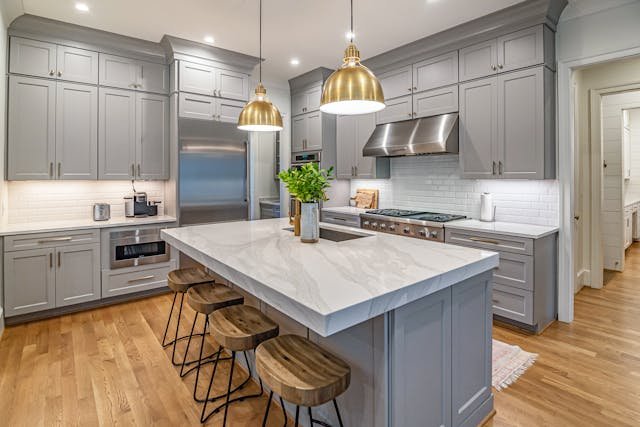
Hosting is supposed to feel fun, not like you are juggling trays while apologizing for tight corners, bad lighting, and nowhere to set a drink. The best hosting remodels do not chase some generic “entertainer look.” They make the home easier to live in on a random Tuesday and easier to share on a Saturday night, while still feeling unmistakably like you. That balance is completely doable when you plan the flow first, make a few high-impact design decisions, and keep your personal taste in the driver’s seat, right up to those final, refined interior transformations.
A hosting-friendly remodel is really a people-friendly remodel. It considers how guests arrive, where they naturally gather, and how you move through the space when you are carrying food or refilling ice. It also respects that your home is not a restaurant. You want warmth, comfort, and little moments that reflect you, not a showroom that looks great but feels stiff the second everyone takes their shoes off.
To maintain your desired style, establish a clear framework before selecting finishes. Start by defining the type of hosting you actually engage in, and then design the layout and key features to support that reality. This planning ensures your space can handle everything from a casual coffee break to full holiday mayhem. A reliable plan and the right build partner make execution much easier; to understand how full-scope projects are structured, visit the hyperiongrp.net/ website.
Start with the guest experience, not the décor mood board
If you want hosting to feel effortless, the first design choice is not paint color. It is the path people take through your home and the small friction points that make gatherings feel cramped or chaotic.
Map the arrival and the first five minutes
Think about what happens when people walk in. Coats land on chairs, bags drop on counters, and someone immediately asks where to put the bottle they brought. A simple entry upgrade can prevent clutter from spreading into the main space. Even in a small home, adding a narrow surface, a few hooks, and a defined landing zone creates a calm first impression.
Create natural gathering zones
Guests do not distribute themselves evenly. They gravitate toward the kitchen, the drinks, and the most comfortable seating. When planning your remodel, identify the “magnet” areas and support them with space to stand, lean, and set things down. A slightly wider pass-through, a better-placed island, or a clear corner for a bar cart can do more for hosting than expensive statement finishes.
Design the kitchen for flow, not just looks
A hosting kitchen is not only about being pretty. It is about letting you cook, chat, and serve without feeling trapped in a corner while everyone else has fun.
Make the kitchen work in two modes
On normal days, you want the kitchen to be efficient. On hosting days, you want it to be social. That means planning for two kinds of movement: the cook’s movement and the guests’ movement. When those paths overlap too much, you get traffic jams at the sink, fridge, or oven. If you can adjust the layout, prioritize a clear “work lane” that stays usable even when guests are nearby.
Add landing zones where chaos usually happens
The quickest way to make hosting feel smoother is to add places to set things down at key moments. Think about where hot trays come out, where plates get stacked, and where drinks get poured. You do not need an oversized kitchen to do this. You need thoughtful surfaces in the right spots.
If a small list helps clarify the highest-impact landing zones, keep it simple:
- A surface near the oven for hot dishes
- A clear space near the fridge for grab-and-go items
- A dedicated area for drinks and ice
Choose materials that forgive real life
Hosting includes spills, fingerprints, and heat. Select surfaces that can handle that reality without making you anxious. This is where your style can still shine through, because durability exists across many aesthetics. You can go warm, modern, classic, or eclectic, and still choose options that clean easily and wear well.
Layer lighting so the room feels good at every hour
Lighting is one of the biggest differences between a home that feels welcoming and a home that feels harsh. Good hosting lighting is not bright everywhere. It is flexible and intentional.
Build a simple lighting trio
You want a mix of ambient, task, and accent lighting. This creates the ability to brighten the room for prep, then soften it for dinner. If you can add dimmers, do it. That one change is often the fastest way to make a space feel elevated without changing your style.
Highlight the moments that matter
During hosting, people remember the table, the food, and the conversations. Lighting that supports those moments is more valuable than a dramatic fixture that only looks good in photos. Think about where people sit and where you serve, then make those zones feel warm and flattering.
Keep your personal style by anchoring the “permanent” choices
A remodel can accidentally erase personality when everything becomes too neutral, too safe, or too trend-driven. The trick is to separate permanent decisions from flexible ones and put your style into the right layer.
Treat the foundation like a long-term backdrop
Permanent elements include layout, flooring, built-ins, major tile, and large cabinetry. You can still express style here, but do it with a level of restraint that ages well. If you love bold color, consider using it in a way that can evolve later, like paint, art, or textiles.
Put personality into high-impact, changeable moments
Your home should feel like you, and the easiest way to preserve that is to choose a few expressive elements that can shift over time. A statement pendant, a memorable rug, a gallery wall, or sculptural seating can define your vibe without locking you into a look for the next fifteen years.
Hosting-friendly comfort is about sound, seating, and temperature
A beautiful space can still feel uncomfortable when the room echoes, the seating is stiff, or the temperature swings. Comfort is the silent hero of a good gathering.
Soften the sound without killing the style
Hard surfaces make sound bounce, and open layouts amplify it. You do not need to carpet everything. You can add softness through upholstered pieces, curtains, and textured décor. Even a few well-placed fabric elements can reduce that loud “everyone is shouting” feeling once the room fills up.
Plan seating like you are designing a conversation
People want options. Some will perch near the kitchen, others will sink into a couch. Consider a mix of seating types and heights so the room supports different energy levels. The goal is not to match furniture. It is creating a space that feels inviting and easy to settle into.
Make the room comfortable for the host, too
If you are hosting, you are moving. You are opening cabinets, reaching for serving pieces, and cleaning as you go. Comfort also means smart storage where you need it. When your tools and essentials have a home, your attention stays on your guests, not on searching for the good serving spoon.
Resale value without turning your home into a copy of everyone else
Resale value matters, but it should not erase your identity. Buyers tend to respond to homes that feel cared for, functional, and cohesive. You can deliver that without stripping out your style.
Focus on the upgrades people feel immediately
Layouts that flow, kitchens that function, and bathrooms that feel fresh tend to deliver broad appeal. If your remodel improves how the home lives, that reads as value in a way that is hard to fake with décor alone.
Make bold choices in controlled doses
If you love a specific style, keep it. Just avoid letting one intense choice dominate every permanent surface. A single memorable feature can be a selling point. Five competing features can feel confusing. The sweet spot is a cohesive foundation with a few signature moments that make the home feel special.
Pull it all together with a simple hosting test
Before you finalize your remodel plan, imagine a real gathering from start to finish. Picture people arriving, setting things down, moving into the main space, getting drinks, sitting, eating, and lingering afterward. If you can walk through that mental movie and the space supports it naturally, you are on the right track. If you keep noticing bottlenecks, awkward corners, or nowhere to place a plate, fix those issues before you obsess over finishes.
The best part is that this approach does not force you into a generic look. It gives you a structure that protects your taste. When the layout supports connection and the details reflect who you are, hosting stops feeling like a performance and starts feeling like your home at its best.