

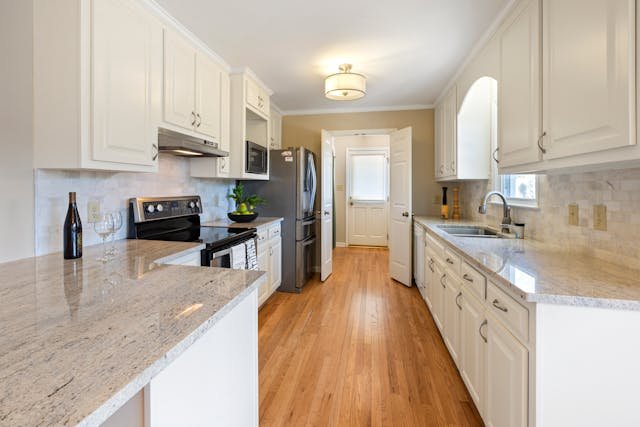
A kitchen remodel can feel like you are signing up for a mysterious endurance event. One day, you are dreaming about better storage and a cleaner layout, and the next, you are eating takeout while stepping around boxes, dust, and a sink that may or may not be usable. The good news is that chaos is not required. Most remodeling stress comes from unclear decisions, rushed timelines, and missing steps, not from the remodel itself.
This guide lays out a simple month-by-month plan you can use to keep momentum without feeling overwhelmed. Think of it as a way to trade panic for progress: you will know what matters now, what can wait, and what decisions protect your schedule later. If you want a professional eye on your plan and prefer a guided process from design through build, you can contact Ten Key Remodels, OKC, near the end of your early planning phase and save yourself a lot of second-guessing.
A smart timeline is only half the story, because the other half is design clarity. When your cabinet layout, storage function, and visual direction are decided early, everything else gets easier: ordering, scheduling, and even the day-to-day “Where do we put this?” questions. If you are collecting inspiration for cabinetry styles, finishes, and space planning ideas, you can explore examples and concepts at http://www.glamour-designs.com as you shape what you want your finished kitchen to feel like.
The mindset that makes timelines work
A remodel timeline is not a rigid script; it is a decision tool. When you treat each month like a container for a specific kind of work, you stop trying to solve everything at once, and you stop making expensive choices under pressure.
Month 1: Define the real problem you are solving
Before you pick colors or scroll through endless photos, get honest about what is not working today. Maybe your storage is technically “fine,” but everything piles up because the layout fights your habits. Maybe the kitchen looks dated, but the bigger pain is that the prep space is cramped and cleanup is awkward.
Start by watching your own routine for a week. Notice where the bottlenecks are and what makes you feel annoyed. That gives you priorities that survive the trend cycle. This is also the month to decide whether the remodel is mostly surface-level, layout-changing, or somewhere in between, because that choice affects cost, permits, and timeline.
Month 2: Build a budget that matches your priorities
The biggest budget mistakes happen when people estimate backwards from a dream kitchen they saw online without understanding what is driving the price. A more practical approach is to decide what you care about most and assign dollars to those things first.
If storage and function are the main goals, cabinetry and layout deserve attention. If entertaining is the focus, lighting, seating, and flow matter more than exotic finishes. This is also the moment to set a buffer that is real, not symbolic. Even a well-run project can uncover small surprises, and having room in the budget keeps you from making rushed compromises later.
Month 3: Lock the layout and the cabinet plan
This is the month that prevents regret. Layout is not just where appliances sit. It is how your body moves through the space, where you set things down, how you access storage, and whether two people can function at the same time without bumping into each other.
A strong cabinet plan is not about having more cabinets. It is about better cabinets. Deep drawers where they make sense, pull-outs that reduce clutter, and storage zones that match your routine. When you commit to this early, you also give yourself time to catch awkward clearances and small layout mistakes before construction begins.
Month 4: Finalize selections and order early
Many remodel timelines implode during this phase because selections drag on, and ordering happens too late. Cabinets, appliances, and specialty fixtures can come with long lead times, and your schedule needs to respect that reality.
The easiest way to stay sane is to set selection deadlines. You can still be creative, but you are doing it with a finish line in sight. This month is also when you confirm practical details that are easy to forget: outlet placement, lighting layers, ventilation, hardware sizes, and how the sink and faucet actually fit together.
Months 5 and 6 are where the plan becomes real
Construction is the most visible part of a remodel, but it is not the part where you want to improvise. If you did the earlier months well, this phase becomes a series of predictable steps instead of constant decision emergencies.
Month 5: Demo and rough work without losing your mind
Demo can feel dramatic, but it is mostly a controlled mess. What makes it stressful is uncertainty: “Is this normal?” “Are we behind?” “Did we forget something?” You can reduce that by keeping a simple weekly checkpoint: what was completed, what is next, and what decisions are still open.
Rough work tends to include framing, plumbing, electrical, and anything behind the walls. It is not glamorous, but it is the backbone of the project. The main goal here is to avoid last-minute changes, because changes in rough work can ripple into delays, rework, and cost increases.
Month 6: Installations, finishes, and the “it finally looks like a kitchen” moment
This is when cabinets go in, surfaces get installed, tile appears, and the space starts to look like the plan you committed to months earlier. It is also when patience matters, because the sequence of steps is important. One thing often has to happen before the next thing can begin.
Expect a stretch where the kitchen looks almost done but still feels unusable. That is normal. Treat it like the final mile of a long run. Keep your decisions tight and your expectations realistic, and you will get through it without the emotional whiplash.
The decisions that protect your schedule
Most delays are not caused by slow work. They are caused by missing information. When a team is waiting on a choice or a part, the calendar slips.
The “decision log” trick that saves weeks
You do not need a complicated system. You need one place where decisions live so they do not get lost in texts and side conversations. A simple list is enough, and it should include:
- What needs to be decided
- Who decides it
- The deadline
- The final choice is recorded in plain language
Used consistently, this prevents the classic scenario where someone assumes a choice was made and orders the wrong item or installs the wrong detail.
Communication that keeps the project from going sideways
A remodel feels worse when you do not know what is happening. Even if work is moving, silence creates anxiety and encourages micromanaging. The fix is a predictable rhythm.
Weekly updates beat daily surprises
A short weekly update is often the sweet spot. It should tell you what was completed, what is scheduled next, and what choices are needed soon. That gives you time to respond thoughtfully instead of reacting under pressure. If you want extra clarity, ask for quick milestone check-ins at key points: after layout confirmation, before ordering, after rough work, and before final closeout.
The finish line: how to wrap up like a pro
A kitchen can look finished while still hiding small issues that will annoy you later. Closeout is where you protect your investment.
The punch list is not nitpicking
The punch list is simply a documented walk-through of what needs adjustment. Doors that do not align, trim gaps, paint touch-ups, caulk details, hardware tweaks, or anything that does not match what was agreed. The goal is not perfection in a fantasy sense. The goal is a kitchen that functions smoothly and feels good to live in.
When you take a month-by-month approach, you stop treating a remodel like one giant leap and start treating it like a series of manageable wins. You make the big decisions early, you order on purpose, and you use communication to keep the process steady. That is what turns a kitchen remodel from a stressful blur into something you can actually manage, and even enjoy.