

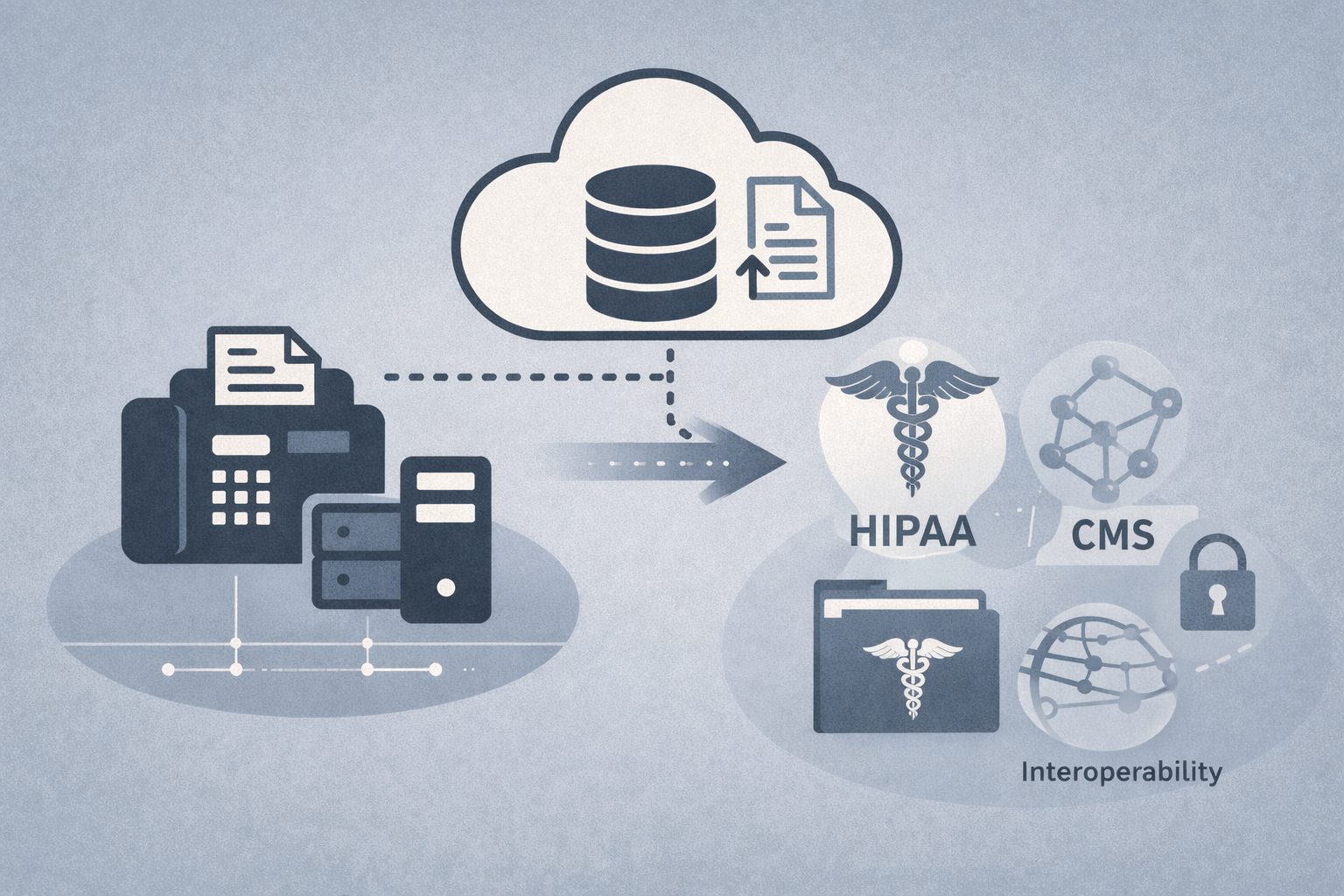
Complying with the Health Insurance Portability and Accountability Act (HIPAA) can be daunting, particularly when it involves the secure transmission of protected health information (PHI) via fax. A breach in data can lead to hefty penalties and compromise patient trust. Organizations within the healthcare sector are therefore seeking reliable solutions to streamline their fax processes while maintaining strict compliance.
While faxing remains a staple communication tool in the healthcare industry due to its widespread use and simplicity, adapting to HIPAA requirements demands a nuanced approach. Below, we explore effective strategies and solutions for achieving HIPAA fax compliance without sacrificing efficiency or security.
Navigating HIPAA Compliance Challenges with Secure Fax Solutions
The primary objective for healthcare entities is to ensure that any fax communication involving PHI is done so securely and in compliance with HIPAA regulations. Secure fax solutions act as a bridge between the traditional mode of faxing and the stringent requirements of healthcare privacy laws.

These modern fax services are fortified with various security features such as encryption, secure line transmissions, and access controls that are specifically designed to protect sensitive healthcare data. By utilizing such technologies, organizations can significantly reduce the risk of unauthorized access and data breaches.
HIPAA fax compliance with Interfax To navigate through these challenges effectively, entities must adopt fax solutions that not only offer robust security mechanisms but also integrate seamlessly with their existing healthcare systems. This integration allows for a smoother workflow and avoids the pitfalls of fragmented communication processes.
Streamlining Your Fax Process for Enhanced HIPAA Compliance
Streamlining the fax process involves more than merely digitizing traditional fax machines; it requires a methodical approach tailored to the needs of healthcare business workflows. An efficient fax solution can eliminate manual handling of PHI, thereby minimizing the likelihood of human error and potential HIPAA violations.
One supporting detail for achieving this efficiency is the use of electronic fax services that allow the sending and receiving of faxes via email or web applications. These services often come with audit trails and detailed logs, enabling organizations to monitor PHI exchanges and maintain an accurate record for compliance purposes.
Actionable guidance would prompt entities to map out their communication pathways and identify bottlenecks to apply an appropriate fax solution. By doing so, they ensure not only HIPAA compliance but also productivity within their communications infrastructure.
Implementing a HIPAA-Compliant Fax Service: Key Features to Look For
When implementing a HIPAA-compliant fax service, identifying key features that align with regulatory standards is essential. The chosen solution should be specifically designed to safeguard PHI, adhering to the technical and physical safeguards required by HIPAA.

A critical feature to consider is the service’s ability to offer automatic encryption for data both at rest and in transit, which is non-negotiable for maintaining the confidentiality and integrity of PHI. Additionally, features such as secure user authentication and the ability to set permissions for different users are significant components that foster a culture of privacy and security compliance.
Healthcare professionals should also assess vendor credentials, ensuring that they sign a Business Associate Agreement (BAA), which is indicative of the provider’s commitment to upholding HIPAA regulations. Comprehensive customer support and regular updates that address the latest security threats are also attributes of a reliable HIPAA-compliant fax service.
Best Practices for Maintaining Fax Compliance Within HIPAA Regulations
Adhering to best practices is crucial for maintaining fax compliance within the scope of HIPAA regulations. It starts with educating the workforce about the sensitivity of PHI and their role in protecting it during fax transmissions. Regular training should be implemented to keep staff up-to-date with the latest compliance standards and protocols.
In addition to training, deploying routine audits and assessments of fax processes can uncover potential vulnerabilities and ensure continuous adherence to HIPAA guidelines. This proactive approach to compliance can help healthcare organizations rapidly respond to and rectify any gaps in their fax communication procedures.
Finally, actionable guidance suggests that organizations should establish clear policies for fax usage, which delineate the proper handling and transmission of PHI. These policies, in combination with the right technology and training, create a comprehensive framework for safeguarding patient data and adhering to HIPAA fax compliance requirements.
Ultimately, achieving HIPAA fax compliance is a combination of leveraging the right technology and fostering a culture of security within an organization. By implementing secure fax solutions, streamlining processes, and adhering to best practices, healthcare entities can effectively safeguard PHI while maintaining efficient communications. With continued vigilance and adherence to regulatory standards, organizations can navigate the complexities of data protection with confidence and integrity.