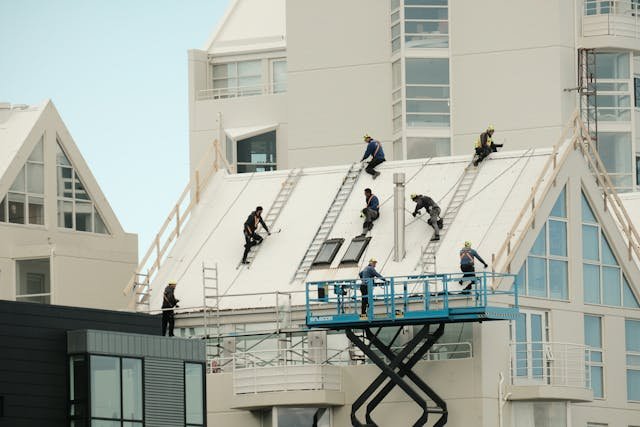
Cold weather introduces a unique set of challenges for roofing projects, especially in regions known for long winters and fluctuating temperatures. For property owners considering roof repair in Minneapolis, understanding how winter conditions affect materials, installation methods, and timelines can help set realistic expectations and support better decision-making.
How Winter Conditions Stress a Roofing System
Cold weather doesn’t just bring snow. It introduces a combination of moisture, wind, weight, and temperature changes that test every part of a roof. Snow accumulation adds consistent weight, while freezing and thawing cycles cause materials to expand and contract repeatedly. Over time, this movement can loosen flashing, worsen small cracks, and weaken aging shingles.
Strong winter winds can also lift shingle edges or dislodge already compromised materials. Even minor displacement can create openings that allow moisture to enter once snow begins to melt.
Ice Dams and Moisture Intrusion Risks
Ice dams are one of the most common winter roofing concerns. They form when heat escaping through the roof melts snow, which then refreezes near the eaves. As the ice builds up, it prevents proper drainage and forces water back under shingles and into vulnerable areas.
Ice dam related moisture can lead to:
- Leaks along exterior walls or ceilings
- Damage to insulation and interior finishes
- Deterioration of roof decking if left unaddressed
Because ice dams often form gradually, the resulting damage may not be immediately visible.
Warning Signs That Shouldn’t Be Ignored
Winter roof problems often show subtle early signs. Paying attention to these indicators can help property owners act before minor issues escalate:
- Water staining on ceilings or upper walls
- Dripping or dampness near vents, chimneys, or skylights
- Shingles that appear lifted, missing, or uneven when viewed from the ground
- Excess granules collecting near downspouts
- Repeated icicle formation along roof edges
These symptoms typically point to drainage issues, material wear, or compromised flashing.
Practical Steps to Reduce Winter Roofing Issues
While no roof is immune to winter weather, several proactive steps can reduce the likelihood of problems:
- Schedule inspections to address small concerns early, before winter begins
- Ensure attic insulation and ventilation are working together to reduce uneven roof temperatures
- Trim back overhanging branches that may break under snow or ice
- Keep gutters and downspouts clear so melting snow can drain properly
These actions help limit moisture buildup and reduce stress on roofing materials.
Snow Removal and Safety Considerations
Excessive snow can strain a roof, but removal must be handled carefully. Improper snow removal can damage shingles or create safety hazards. In many cases, professional assistance is the safest option, especially for steep roofs or heavy accumulation. The goal is to reduce risk without introducing new damage.
Final Thoughts
Winter doesn’t usually create roofing problems from scratch. Instead, it exposes issues that were already developing. Aging materials, worn sealants, or marginal flashing may perform adequately in mild conditions but struggle once snow, ice, and freezing temperatures enter the picture.
If you’re having issues or you know of a potential problem with your roof, don’t hesitate to call in a professional for roof repair in Minneapolis. Understanding winter exposure, and responding to warning signs, can help protect both the roof and the structure beneath it.