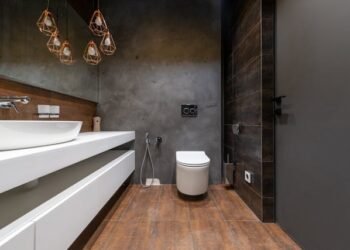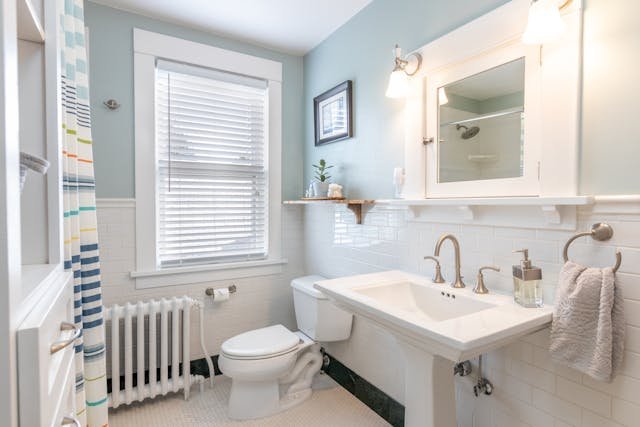
A bathroom can be practical without feeling purely functional. The right lighting makes the space feel softer, calmer, and more intentional, especially when it is layered instead of blasting everything from one harsh fixture overhead. A glow effect, when done with restraint, has a way of making the room feel warm even when the materials are clean and modern. It is not about turning your bathroom into a showroom. It is about creating a quiet mood that still works at 7 a.m. and at 11 p.m., with a finish that feels special, like high end surfaces crafted from translucent stone.
A glowing feature works best when it has a job to do. Sometimes that job is pure atmosphere, like a gentle wash of light that makes the room feel less stark. Other times, it is functional, like a low light that helps you navigate at night without fully waking up. The sweet spot is when it does both. You step into the room, and it feels elevated, but you can also tell it was designed by someone who understands how people actually move through the space.
That is also why planning matters more than most people expect. Bathrooms are humid, busy, and filled with details that can go wrong if they are rushed. If you are aiming for a glow effect, you are adding one more system into the mix, and it has to live peacefully alongside plumbing, ventilation, tile work, and daily wear. A beautiful idea only becomes a good investment when it is executed with reliability when updating your bathroom.
Why Glow Works So Well in a Bathroom
Bathrooms are one of the few rooms where you naturally shift between different moods throughout the day. That makes them perfect for layered lighting. A subtle glow can act like a visual exhale, softening hard edges and making the room feel less clinical.
The comfort factor that people do not expect
A glow feature changes how you feel in the space because it reduces contrast. Instead of bright light bouncing off mirrors and tile, you get a calmer gradient that feels more flattering and less intense. That matters when you are half awake or winding down at night.
The “night mode” advantage
If you have ever flipped on a bright vanity light in the middle of the night, you know the pain. A low glow under a floating vanity, behind a panel, or around a niche can guide you without shocking your eyes. It is one of those upgrades that seems small until you live with it.
Choosing a Stone That Actually Looks Good When Lit
The material is the star of the show, but not every slab behaves the same way. Two pieces can look similar in a warehouse and perform completely differently once light hits them from behind. This is where design taste meets practical testing.
Veining, density, and the surprise factor
Some stones create dramatic patterns when illuminated, while others glow more evenly. Dense sections can block light and create shadowy patches. That is not automatically a problem, but you need to know what you are signing up for. If you want a smooth, even glow, you need a material that cooperates. If you want drama, you need to plan placement so the bold areas look intentional instead of blotchy.
Thickness changes everything
Thicker stone reduces light transmission. That can be good if you want a subtle glow rather than a bright panel, but it has to be planned. A thickness choice also affects weight, support requirements, and installation details. In a bathroom, those details matter because the space is full of corners, transitions, and tight tolerances.
Where stone and lighting pair best
Not every surface is worth backlighting. The best use cases are places where the glow feels like a moment, not a repeating gimmick. Think feature panels, accent walls, vanity fronts, or niche surrounds. Used once, it looks curated. Used everywhere, it can start to feel like a theme restaurant.
Lighting That Looks Smooth, Not Spotty
A glow feature can look luxurious or messy depending on how the lighting is executed. The biggest mistake is treating it like a simple strip light project. Light needs to be diffused, balanced, and hidden so the surface looks like it is glowing from within, not being attacked by a row of bright dots.
Diffusion is the secret sauce
If you see hotspots, your eye stops reading the surface as “glow” and starts reading it as “lights behind a panel.” A diffuser, the right spacing, and the right depth behind the surface all help create a smooth look.
Dimming is non-negotiable
A bathroom glow should not be one fixed intensity. You want options. Dim in the evening, brighter when you are cleaning, somewhere in between when you are getting ready. Dimming is also a way to protect the mood of the room when you have guests, since not everyone wants the same level of brightness.
Color temperature needs to match the room
Warm lighting can make stone feel richer and more inviting. Cooler lighting can make it feel sharper and more modern. Neither is wrong, but it needs to match the rest of your lighting, or the glow will feel out of place. The goal is cohesion, not a random light source with a different personality.
Steam, Moisture, and the Details That Keep It Working
Bathrooms punish shortcuts. Steam finds weak points. Moisture tests seals. Daily cleaning stresses edges and joints. If you add a glow feature, you need to treat it like part of the room’s infrastructure, not a decorative afterthought.
Ventilation protects more than air quality
A well-ventilated bathroom is kinder to everything, including any lighting systems tucked behind panels. Proper airflow reduces condensation buildup, which helps keep materials stable and prevents moisture from lingering where it should not.
Plan access before you need it
Even great components can fail eventually. The smartest glow designs include a way to service the lighting without ripping apart finished surfaces. That might mean an access panel, a removable section, or a concealed route that allows repairs with minimal disruption.
Think about cleaning from day one
If a surface sits near a sink or shower, it will be cleaned often. That means you should avoid fragile edges, poorly protected seams, or placements that invite water intrusion. A glow feature should be designed to survive real life, not just look good on reveal day.
Making It Look Timeless Instead of Trendy
A glowing surface can read as classic ambience or as a dated fad. The difference is almost always restraint. When the glow supports the overall design instead of screaming for attention, it ages better.
Choose one hero moment
Pick a single standout location and let the rest of the room support it. You can still do great lighting everywhere else, but keep the glowing stone as the focal point. This keeps the space from feeling busy and makes the feature feel intentional.
Balance the wow with calm
If your glow feature has bold veining or dramatic contrast, keep nearby finishes quieter. If the glow is subtle, you can afford a little more texture elsewhere. The room should feel composed, like everything belongs in the same story.
Budget and Maintenance Without the Buzzkill
It helps to be honest about what drives cost and what you are paying for. The material itself matters, but so does the engineering. Most of the value comes from the details you do not see, like the way the light is mounted, cooled, diffused, and made serviceable.
A practical way to think about it is to separate “what you touch” from “what makes it work.” You touch the finished surface, but the glow depends on what is behind it. Spending a little more on the invisible parts can mean fewer headaches later, especially in a room where moisture and daily use are unavoidable.
A Bathroom That Feels Like an Experience
A glowing bathroom is not about chasing a trend. It is about shaping how the space feels, minute to minute, with light that flatters the room and supports how you live. When the material is chosen thoughtfully, the lighting is diffused and dimmable, and the installation is planned for moisture and service access, the result feels effortless. You walk in, and it just works, quietly, beautifully, and consistently.