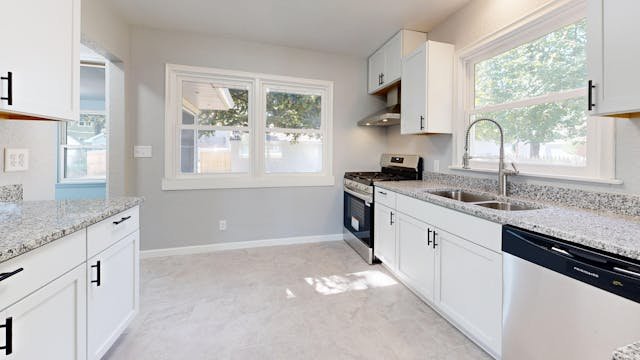
A kitchen remodel can feel like equal parts excitement and anxiety. You want a space that works better and looks better, but you also want to avoid the classic horror stories: weeks of delays, costs that creep upward, and decisions that somehow get made twice. The good news is that a “no surprises” remodel is not about luck; it is about planning, sequencing, and communication, all handled with the same level of care as the design itself. Done right, you get a kitchen that feels custom to your life, without the constant second-guessing that drains the fun out of the process, especially when it comes to refreshing and rebuilding kitchen layouts.
The most common surprises are not dramatic; they are small gaps that compound. A measurement gets taken before the final appliance choice is locked in. A finish is selected without considering maintenance. A timeline is shared without confirming lead times. None of these are catastrophic on their own, but together they create the feeling that the remodel is controlling you, instead of the other way around.
If you want a remodel that feels calm, the goal is to treat it like a project with a clear system, not a loose collection of tasks. That means making decisions in the right order, setting expectations early, and building a communication routine that is boring in the best way. For an example of a process-forward approach to planning and coordination, visit the https://www.becinnovations.com/ website.
Start With Clarity, Not Cabinets
Before you fall in love with a door style or a countertop pattern, you need a clear definition of what success looks like for your kitchen. This is where the “no surprises” mindset starts, because clear goals make every later decision simpler.
The “why” that keeps you from overspending
A kitchen remodel is full of tempting upgrades, and many of them are great. The problem is when upgrades become impulsive and untracked. Start by writing down what is not working today. Maybe your prep area is cramped, storage is awkward, or lighting is harsh. Then write down what you want your future kitchen to do for you. “More storage” is helpful, but “a dedicated place for small appliances so counters stay clear” is even better.
Once you can describe the outcome in plain language, you can prioritize without drama. It becomes easier to say yes to the features that support daily life, and no to the ones that only look good in a photo.
Budget Like a Realist, Not an Optimist
Money surprises usually come from two places: unclear scope and missing buffers. A realistic budget is not pessimistic, it is protective because it gives you a plan for what happens when the real world shows up.
Build a budget that includes decisions you have not made yet
Even if you do not have final numbers for every line item, you can still build a smart framework. Break your budget into categories like cabinetry, surfaces, flooring, lighting, fixtures, labor, and permits, where applicable. Then add a contingency that is truly separate from your wish list. Think of it as your “sleep at night” money.
A simple way to stay in control is to categorize your upgrades into three tiers: must-have, would-like, and only-if-everything-lines-up. That gives you a pressure valve. If costs rise in one area, you already know where you can dial back without feeling like the remodel is failing.
Choose a Process That Keeps Hand-Offs Minimal
Surprises multiply when responsibilities are fragmented. When too many people own too many small parts, nobody owns the full picture, and the homeowner ends up doing project management without meaning to.
One point of contact, one source of truth
A smoother remodel typically has a clear lead who coordinates the sequence, answers questions, and confirms decisions. That does not mean every person on site reports to you individually. It means you know exactly who to call when something needs clarification, and you can trust that the message will carry through.
Equally important is a single source of truth for choices. Your selections, measurements, approvals, and changes should live in one shared place, whether that is a digital document or a project portal. The format matters less than the habit. If it is written down, it is real.
Lock Decisions Early to Protect the Schedule
Timeline surprises are often decision surprises in disguise. If a key choice is made late, it can ripple into ordering, delivery, and installation.
The hidden power of “selection deadlines”
The calmest remodels do not wait until the last minute to choose fixtures and finishes. They set deadlines for each category, not to rush you, but to protect the schedule. When the big choices are locked early, your team can verify measurements, confirm compatibility, and order materials with confidence.
Here are a few decisions that are worth finalizing earlier than most people expect:
- Appliance specs and dimensions, especially if cabinetry depends on them
- Sink type and faucet reach, because they affect plumbing placement and usability
- Lighting plan, including task lighting and switch locations
- Hardware and handle styles, since they affect drilling templates and cabinet prep
Notice how most of these are not about “pretty.” They are about fit, function, and sequence. When those are settled, the aesthetic choices become more enjoyable.
Communication That Feels Boring (Which Is the Goal)
A no-surprises remodel is not silent. It is predictable. The difference is that questions get answered on a schedule, not in a panic.
Create a weekly rhythm
Set a recurring check-in, even if it is only 15 minutes. A quick weekly touchpoint can cover what was completed, what is next, and what decisions need approval before the next milestone. This reduces the random “urgent” calls that make everything feel unstable.
It also helps to keep a simple decision log. When you approve a change, record what was decided, when, and how it affects cost or timing. This prevents the most frustrating kind of surprise: the one where everyone remembers the same conversation differently.
Prepare Your Home and Your Headspace
Even a well-managed remodel is disruptive. Preparing your space and your routine removes a huge amount of friction, and it keeps small inconveniences from feeling like major problems.
Think like you are setting up a temporary kitchen
If your kitchen will be partially or fully out of commission, plan for how you will eat, clean, and store essentials. A folding table, a microwave station, and a dedicated dishwashing plan can keep your household functional. If you have pets or kids, think through safety and boundaries, especially around tools, dust barriers, and open access points.
This is also the moment to protect what you want protected. Cover floors, clear pathways, and move fragile items. The more you reduce daily obstacles, the easier it is to stay patient when the project is in full motion.
The Final Walkthrough That Actually Closes the Loop
The end of a remodel can feel like a sprint, but the finish line should be deliberate. A structured closeout prevents lingering issues from turning into long-term annoyances.
Use a specific punch list
A good walkthrough is not just “looks great.” It is checking that doors align properly, drawers glide smoothly, caulk lines are clean, and fixtures operate as expected. Test outlets. Run water. Turn on every light. Open every cabinet. It sounds obvious, but it is easy to skip when you are excited to be done.
Ask for care instructions and warranty details, and keep them in one place. That way, if something shifts as the home settles or if a small adjustment is needed, you know exactly what the next step is.
Bringing It All Together
A no-surprises remodel is the result of a simple promise you keep repeatedly: decisions happen early, communication happens regularly, and the plan stays visible. When you do that, the remodel stops feeling like a rollercoaster and starts feeling like progress, one clear step at a time. You still get creativity, you still get beautiful results, and you still get that moment where the kitchen finally matches how you live, but you get it without the constant uncertainty that makes remodels stressful.