

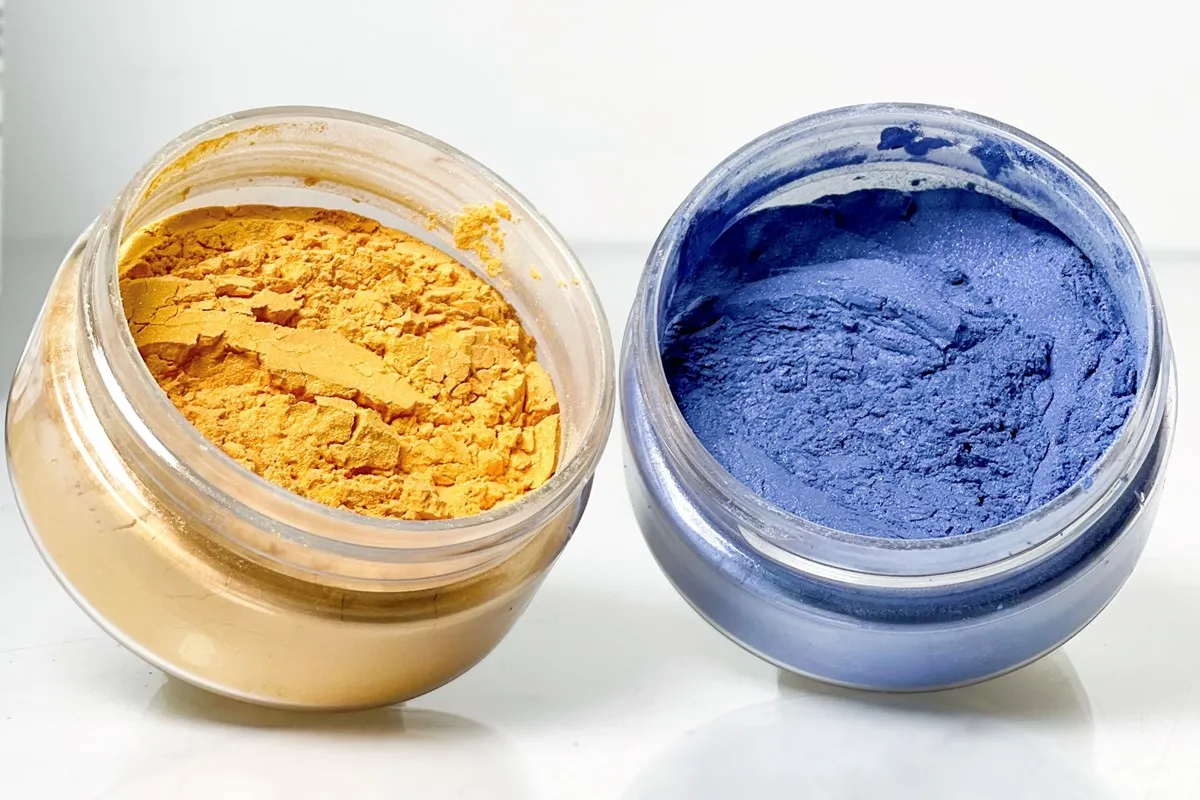
Color is often the first thing consumers notice about food. Before taste or texture comes into play, visual appeal sets expectations and influences buying decisions. As ingredient awareness grows, the food industry is rethinking how that color is created. This has led to a strong shift toward natural food coloring, , with natural yellow food coloring emerging as one of the most widely used and trusted shades in clean-label formulations.
The Growing Importance of Natural Food Coloring
Today’s consumers want more than vibrant products—they want transparency. Artificial colors with unfamiliar chemical names are increasingly avoided, while plant-based and recognizable ingredients are welcomed. Natural food coloring fits perfectly into this mindset because it is:
- Derived from fruits, vegetables, plants, and seeds
- Free from synthetic dyes
- Suitable for vegan and plant-based products
- Aligned with clean-label and wellness trends
For food brands, natural coloring is no longer an option—it’s becoming an expectation.
Why Yellow Is a Key Natural Color
Yellow is one of the most common and versatile food colors. It is associated with freshness, warmth, and familiar flavors like lemon, cheese, vanilla, and mango. Because of its wide use, natural yellow food coloring has become a foundation shade in many food and beverage categories.
Compared to synthetic yellows, natural yellow tones feel softer and more authentic, reinforcing the perception of natural and minimally processed food.
Common Sources of Natural Yellow Food Coloring
Nature offers several reliable sources of yellow pigments, each with distinct properties:
Turmeric
One of the most well-known natural yellow colorants, turmeric contains curcumin, which gives a rich golden hue. It is commonly used in:
- Snacks and seasonings
- Sauces and soups
- Noodles and savory foods
Annatto
Extracted from achiote seeds, annatto produces yellow to light orange shades. It is widely used in:
- Cheese and dairy products
- Bakery items
- Margarine and spreads
Annatto is valued for its versatility and relatively good stability.
Safflower
Safflower extract provides a bright, clean yellow color without strong flavor impact. It is often used in:
- Beverages
- Desserts
- Confectionery and frostings
Lutein and Beta-Carotene
Sourced from marigold flowers and carrots, these pigments deliver warm yellow shades and are commonly used in:
- Dairy and plant-based dairy
- Beverages and nutritional products
- Infant and functional foods
Applications of Natural Yellow Food Coloring
Natural yellow food coloring is used across a wide range of products, including:
- Bakery and confectionery items
- Dairy products like cheese, yogurt, and ice cream
- Snacks and seasoning blends
- Sauces, soups, and ready meals
- Juices, beverages, and smoothies
- Plant-based and health-focused foods
Yellow shades help communicate flavor and quality while enhancing shelf appeal.
Stability and Formulation Considerations
Like all natural pigments, yellow colorants can be sensitive to:
- Heat during processing
- Light exposure
- pH changes
- Oxidation
For example, turmeric performs best in low-acid systems, while beta-carotene works well in fat-based applications. To ensure consistent performance, manufacturers often use techniques such as emulsification, encapsulation, or blending of pigments.
Ongoing innovation continues to improve the stability and versatility of natural yellow colors.
Clean Labels and Consumer Trust
One of the biggest advantages of natural food coloring is how it appears on labels. Ingredients like “turmeric extract” or “annatto color” are easy for consumers to recognize and trust. This transparency helps brands:
- Build credibility
- Support premium positioning
- Align with health and wellness trends
Natural yellow, in particular, is often associated with warmth and positivity, reinforcing a natural brand image.
The Future of Natural Food Coloring
As clean-label expectations grow globally, demand for natural food coloring will continue to rise. Future developments are likely to focus on:
- Improved heat- and light-stable pigments
- Organic and non-GMO yellow color solutions
- Sustainable sourcing of raw materials
- Customized shades for specific applications
Natural yellow food coloring will remain a cornerstone of this evolution due to its versatility and broad consumer acceptance.
Conclusion
Natural food coloring represents a meaningful shift toward transparency, trust, and authenticity in the food industry.. Within this movement, natural yellow food coloring stands out as a versatile, familiar, and highly valued shade that works across countless applications.
By choosing nature-derived yellow pigments, brands can enhance visual appeal while meeting modern consumer expectations—proving that food can look vibrant and still remain truly natural.