

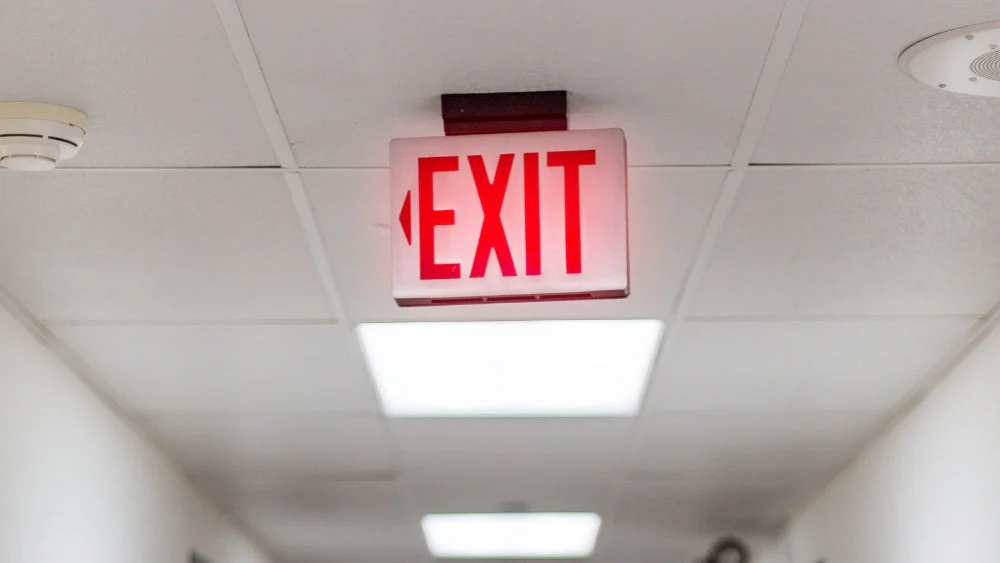
The implementation of Exit and Emergency Light Fixtures is crucial in construction safety, ensuring that pathways are clearly marked and illuminated during emergencies. This aspect of safety planning not only safeguards human life but also aligns with stringent regulatory requirements. The complexity of integrating such systems into construction projects demands attention to detail and an understanding of various safety protocols. This article will explore the importance of these fixtures, delve into regulatory standards, discuss design and placement strategies, and highlight the necessity of ongoing maintenance and testing.
Importance of Exit and Emergency Light Fixtures in Safety Planning
Exit and Emergency Light Fixtures serve as a critical component in any construction safety plan. In the event of a power outage or emergency, these fixtures guide occupants to safety and ensure a swift evacuation. The role of these systems is akin to a Job Safety Analysis (JSA), where potential hazards are identified, and mitigation strategies are put in place. Their presence is vital for reducing panic and ensuring that evacuation routes remain accessible. For construction sites, having a well-documented Safety Management System (SMS) can further enhance the effectiveness of these lighting solutions by integrating them into the overall safety strategy. Furthermore, understanding various Exit and Emergency Light Fixtures can significantly impact the speed and efficiency of evacuation during emergencies. For instance, a study has shown that buildings equipped with properly maintained exit and emergency lighting systems can reduce evacuation times by up to 20%. The integration of these systems is as essential as maintaining a comprehensive Incident Reporting Matrix to ensure all safety measures are up to date and functional.
Moreover, the presence of these lights can significantly impact the speed and efficiency of evacuation during emergencies. For instance, a study has shown that buildings equipped with properly maintained Exit and Emergency Light Fixtures can reduce evacuation times by up to 20%. The integration of these systems is as essential as maintaining a comprehensive Incident Reporting Matrix to ensure all safety measures are up to date and functional.
Regulatory Standards for Emergency Lighting Compliance
Compliance with regulatory standards is non-negotiable when it comes to Exit and Emergency Light Fixtures. In the United States, the National Fire Protection Association (NFPA) sets the guidelines, particularly NFPA 101, which outlines the Life Safety Code. This code mandates that emergency lighting must provide illumination for at least 1.5 hours after a power failure. Adhering to these standards is as important as following a Scaffold Inspection Checklist for ensuring structural integrity and worker safety.
Construction sites must also consider the Occupational Safety and Health Administration (OSHA) regulations. These regulations align closely with the Hazard Communication Standard (HCS), ensuring that all potential hazards are communicated effectively, including those associated with inadequate emergency lighting. Non-compliance can lead to severe penalties and increased risk of accidents, similar to neglecting a Respiratory Protection Program (RPP).
Design and Placement Strategies for Optimal Safety
Designing and strategically placing Exit and Emergency Light Fixtures is integral to effective safety planning. The placement should ensure that every exit route is clearly visible and well-lit. Experts recommend conducting an Ergonomic Risk Assessment to determine the optimal height and angle for these lights, ensuring they are easily visible without causing glare or obstruction.
Moreover, the choice of fixtures should be aligned with the overall safety design of the building, similar to how a Confined Space Entry Permit ensures that safety measures are tailored to specific environments. High-traffic areas and complex layouts may require additional fixtures to guarantee safety, akin to the precision required in a Lockout/Tagout (LOTO) Procedures protocol to prevent accidental equipment start-up.
Maintenance and Testing for Reliable Emergency Systems
Regular maintenance and testing of Exit and Emergency Light Fixtures are paramount for ensuring their reliability during a crisis. Just as a Fall Protection Plan is regularly reviewed and updated, these systems need periodic checks to verify that they are functioning correctly and comply with safety standards. Monthly and annual testing should be conducted to ensure that battery backup systems are operational and that all components are in working order.
Documentation of these maintenance activities is crucial and should be integrated into the site’s Safety Data Sheet (SDS) records. Similar to the periodic review of an Asbestos Abatement Protocol, these records help in pinpointing potential issues before they escalate, ensuring that the safety measures remain robust and reliable.
The reliability of these systems can be the difference between a controlled evacuation and chaos. For a detailed guide on implementing and maintaining these fixtures, explore the comprehensive resources available on Exit and Emergency Light Fixtures.
Conclusion
Exit and Emergency Light Fixtures are foundational elements of construction safety planning. They must be designed, placed, and maintained with the same rigor as any critical safety system. Adhering to regulatory standards and conducting regular maintenance ensures that these systems function effectively in emergencies. For construction professionals, prioritizing these fixtures is a commitment to safety and compliance, reflecting an investment in the well-being of all site occupants.