A thoughtful care plan should feel like a custom roadmap, not a generic checklist, and the a better way in home care site captures that same idea of support built around real life. When support is built around a person’s real routine, it becomes easier to stay independent, safer to move through the day, and less stressful for the whole family.
Begin with a simple baseline
Start by noticing what “normal” looks like right now. What time do they wake up, eat, take a walk, rest, or get ready for bed? A caregiver can then support the moments that tend to wobble first, like morning grooming, meal prep, or getting out the door for appointments, while keeping the rest of the day familiar.
Choose the right mix of support
Most people do best with a blend of practical help and human connection. That might include personal care assistance (bathing, dressing, grooming), companionship, help after a hospital stay or surgery, respite for family caregivers, medication reminders, transportation to errands or appointments, meal planning and preparation, and light household support. The key is to match the level of help to what’s needed today and adjust as life changes.
Fun fact: The brain loves routines because they reduce decision fatigue, which can make a day feel easier even when energy is limited.
ADLs and IADLs
If you have ever felt unsure how to describe what help is needed, ADLs and IADLs give you a clear and practical language. They help you spot what’s becoming difficult and organize support without turning the person’s life into a list of problems.
ADLs are the dignity essentials
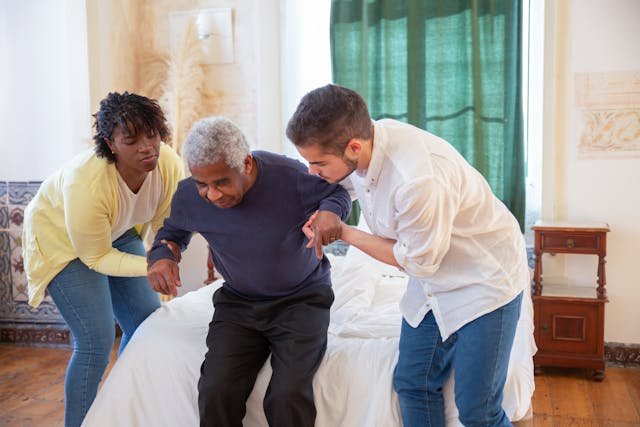
ADLs (Activities of Daily Living) are the core self care tasks: bathing, dressing, grooming, toileting, eating, and moving safely from place to place. When these get harder, it is often due to pain, stiffness, balance issues, fatigue, or fear of falling. Support here should be calm, respectful, and paced to the person. Even small assistance, like steadying an arm during transfers or setting out clothing in a preferred order, can protect confidence as much as it protects safety.
IADLs are the life management tasks
IADLs (Instrumental Activities of Daily Living) are the everyday tasks that keep life running smoothly: shopping, cooking, light housekeeping, laundry, transportation, appointment coordination, and reminders. These often slide first, long before someone needs hands on help with ADLs. When IADLs are supported consistently, the home stays functional, nutrition improves, and the family stops having to “patch” problems at the last second.
Fun fact: Smell is strongly tied to memory, which is why familiar foods or a favorite soap can instantly lift mood and create a sense of comfort.
Where home cleaning services fit naturally
A clean home is not just nice to have, it is part of a safer, healthier routine, especially when energy and mobility are limited, and https://cleanmyspacect.com reflects that same focus on keeping everyday spaces more manageable. Home cleaning services can support the care plan by reducing dust and allergens, keeping bathrooms and kitchens sanitary, and removing clutter that can become a tripping risk. This type of help can include vacuuming and mopping high traffic areas, wiping down surfaces, sanitizing sinks and toilets, changing linens, and staying on top of laundry so walkways remain clear. It also takes pressure off family members who are already juggling visits, work, and worry. When cleaning is handled regularly, the home feels calmer and more livable, meals are easier to prepare in a tidy kitchen, and the person receiving care can focus on resting, moving safely, and enjoying their day instead of feeling overwhelmed by chores that used to be simple.
Safety First
Safety at home is not about making the space feel clinical. It is about removing everyday risks and building small habits that prevent accidents, especially falls, which often happen during ordinary routines.
Make the home easier to navigate
Start with the paths people use most: bed to bathroom, living room to kitchen, front door to the main seating area. Clear clutter, secure loose rugs, tuck away cords, and improve lighting in hallways and entryways. A caregiver can also help by setting up the environment the same way each day, so items like shoes, glasses, walkers, and water are always within easy reach.
Turn the bathroom into a low risk zone
Bathrooms are a common trouble spot because water and slick surfaces are unforgiving. Non slip mats, stable footwear, towels placed within easy reach, and a steady, unhurried routine can reduce risk dramatically. If someone feels anxious about showering, having calm supervision and assistance with transfers can be the difference between avoiding hygiene and feeling confident again.
Fun fact: Most at home slips happen when people are rushing, not when they are doing something difficult, so slowing transitions down often prevents more falls than “being careful” ever will.
Family Updates
Care works best when the family is not guessing. Consistent updates create trust, reduce anxiety, and help everyone spot changes early, before they become urgent.
Decide what gets communicated and how often
Families usually want clarity on a few basics: eating and hydration, mood and engagement, sleep quality, mobility changes, and any unusual events. Updates do not need to be long to be useful. A short daily note can cover the essentials, while a weekly recap can highlight patterns and suggest plan adjustments.
Track patterns, not just one off days
A single low energy day can happen for anyone. What matters is the trend: skipping lunches three days a week, increasing unsteadiness in the evening, new confusion after a medication change, or more isolation. When caregivers and families share observations consistently, it becomes easier to fine tune the schedule, adjust reminders, add more companionship, or shift support to higher risk times of day.
Keep the tone respectful and person centered
The person receiving care is not a project, they are a whole human with preferences and pride. The most helpful updates focus on solutions and comfort, not criticism. When everyone stays aligned on dignity, safety, and independence, the home feels more like home, and care becomes a steady support system rather than a source of tension.