

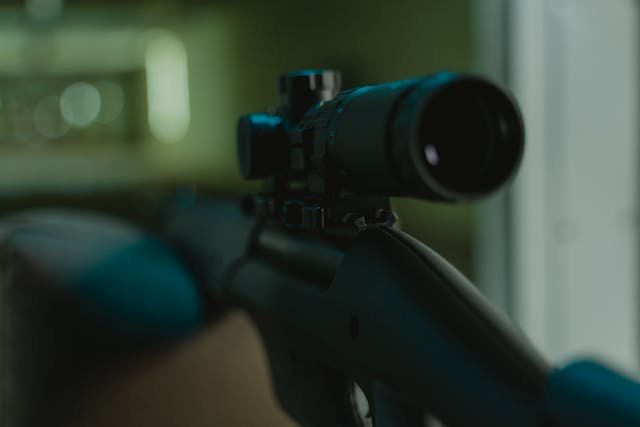
Choosing how to train with a pistol is an important decision if you want to build skill and confidence quickly. Some shooters thrive in a lively group setting, while others make faster progress with private, individualized coaching, which is why many people look into options available through bailbeaandsecuritytraining.com/ site. Both training formats have value, but the way you learn and how fast you improve depends on your personal goals, your learning style, and how much focused practice you put in.
Personalized Attention vs Shared Learning
When you step into a private, one on one pistol coaching session, it is all about you. An instructor focuses completely on your needs, skill level, and questions, tailoring every part of training to help you progress safely and efficiently. That means every shot you take, every grip adjustment, and every safety practice is observed and corrected in real time so that good habits form right from the beginning. This individualized focus often leads to faster improvement because there are fewer distractions and the instructor can adapt the pace and curriculum to exactly what you need. In contrast, group classes require instructors to divide their attention among several students, which can mean slower feedback and a more generalized lesson plan that might not address your specific strengths or areas needing work.
The Learning Environment Matters
Group classes can be fun and social. There is energy in learning with peers and seeing others improve can be motivating. The communal experience makes training feel less intimidating for some, and being part of a team environment can make range time feel like a shared adventure. However, group formats often follow fixed lesson plans and schedules, which can limit how deeply you explore your own weaknesses during class time. Private sessions, by comparison, can be scheduled to fit your life and adapted to address the exact skills you want to build, often making your training time more efficient and comfortable. Many shooters find that starting in a group class gives them the basics they need, but private instruction helps them refine techniques faster.
Why Feedback Speed Matters
The quality and speed of feedback matter enormously in pistol training. In a one on one session, your instructor can immediately correct issues like stance, grip, trigger control, or sight alignment before small mistakes turn into big habits. In group settings, instructors might not notice every student’s subtle errors, so progress can feel slower for individuals. Immediate, personalized feedback helps you develop proper muscle memory quickly, which is a key factor in improving accuracy and safety.
Fun fact: Modern pistol techniques and competitive shooting positions were developed through focused practice and feedback loops long before popularized training methods became common.
Training Tailored to You
Do you want to focus on defensive shooting, competitive scenarios, or basic proficiency and safety? One on one coaching lets you shape your training around your own goals. Whether you are working on your draw technique, dry fire practice at home, or handling drills on the range, a private instructor can build a plan around you and track your progress closely. Group classes, on the other hand, often teach a set curriculum designed to cover fundamentals that apply to many shooters. This means they are excellent for building general skills but might not match exactly what you want to achieve next.
Confidence and Comfort in Learning
Confidence plays a big role in how quickly you improve with a firearm. Many students find that private sessions reduce pressure because they can ask questions freely and focus without worrying about others watching. This relaxed environment often leads to greater confidence and better performance. Some shooters feel self conscious in group classes, especially at first, and that can slow their improvement. Others thrive on shared energy and find the group atmosphere uplifting. Your own personality and how comfortable you feel around others will influence how fast you improve.
Group Classes Still Have Value
Even though private coaching can accelerate individual improvement, group classes still have an important place. They allow shooters to learn foundational skills and safety protocols in a structured setting with peers. For many, the camaraderie and shared experience make training enjoyable and support a habit of regular practice. Group instruction also tends to be more affordable and provides a logical starting point before transitioning to private coaching for more advanced refinement.
Workers Compensation Lawyers: Why Individual Support Matters
Just like one on one pistol coaching helps individuals improve faster with tailored attention and expert guidance, workers compensation lawyers provide a similar advantage for people dealing with workplace injuries, offering not only legal direction but also practical advice on dealing with pressure to return to work early when recovery is still ongoing. These lawyers focus on your specific situation, your injury, and the details of your employment and medical history to build the strongest possible claim and pursue the benefits you deserve. They handle all the legal paperwork, deadlines, medical reports, and negotiations with insurance companies so you can focus on recovering. Their personalized support and experience often lead to better outcomes than trying to navigate a complex legal system alone. For people in physically demanding professions, including security roles, range safety officers, or instructors, having an attorney who understands the specifics of your case can make a meaningful difference in your financial stability after an injury.
Choose What Helps You Improve
If you want to improve your pistol skills as quickly and effectively as possible, private coaching often helps because of focused attention, customized training, and rapid feedback. Group classes provide foundational knowledge and community, but tailored instruction gives you space to grow at your own pace and dive deep into skill development. Your learning style, goals, and budget will guide your choice. No matter which path you pick, consistent practice with safety and focus is what ultimately leads to improvement.