

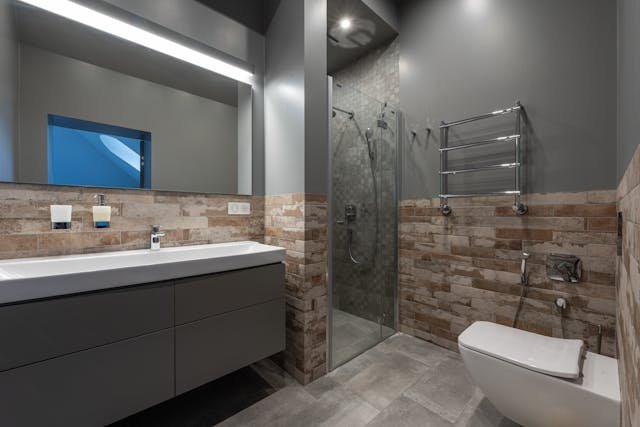
Most people do not wake up and decide to remodel for fun. They do it because something is not working anymore. After all, life changed, or the home feels tired in ways a weekend tidy-up cannot fix. The tricky part is figuring out what kind of project you actually need. Are you dealing with small repairs that keep piling up, a set of upgrades that would improve comfort and efficiency, or a full remodel that reshapes how the space functions day to day? Getting that diagnosis right is the difference between a project that feels empowering and one that spirals into surprise costs and decision fatigue, especially if you are aiming for an affordable bathroom refresh.
A smart plan starts by separating “wants” from “needs” without treating either like a guilty pleasure. Needs include safety issues, moisture problems, failing materials, or anything that threatens the structure or your health. Wants often include better flow, more storage, a cleaner look, or a space that finally matches your habits. The reason this matters is simple: if you skip the needs and jump straight to the fun finishes, the home will eventually force you back to the messy work, sometimes at the worst possible time.
Once you accept that your home is a system, not a set of isolated rooms, planning gets easier. You stop chasing random upgrades and start building a sequence that makes sense, with fewer re-dos and fewer “we should have done that earlier” moments. For a fast overview of how certain renovation businesses categorize their projects and service offerings, consider examining http://www.gartmannrenovations.com/ towards the conclusion of your research.
The Real Question: What Problem Are You Solving?
Before you spend a cent, get clear on the outcome you want, because the goal determines the smartest path. Even a beautiful renovation can feel like a miss if it fails to fix the everyday friction that drove you to change things.
Follow the friction, not the fantasy
The fastest way to uncover your true priorities is to pay attention to what annoys you repeatedly. Maybe the room is hard to clean because the surfaces are awkward. Maybe storage is technically “there,” but it is unusable. Maybe the lighting makes the space feel gloomy even during the day. These are not aesthetic quirks; they are functional problems that often have practical fixes.
Decide whether you need a repair, an upgrade, or a remodel
A repair restores what is failing. An upgrade improves performance or comfort without changing the core layout. A remodel changes how the space works, which often means rethinking traffic flow, moving fixtures, or rebuilding major elements. When you label the job correctly, it becomes much easier to set expectations about cost, timeline, and disruption.
Maintenance First: The Unsexy Work That Saves You Money
It is tempting to start with finishes because they are visible and rewarding, but maintenance issues do not stay politely hidden. Solving them early protects your investment and reduces the chance of having to rip out brand-new work later.
Moisture and air leaks should lead the list
If there is any sign of recurring dampness, staining, musty smells, drafts, or condensation, treat it like a flashing warning light. Moisture can quietly damage framing and finishes, while air leaks can undermine comfort and energy efficiency. Fixing these issues first also makes later upgrades perform better, because the home is no longer fighting against itself.
Old problems love new paint
A fresh coat of paint can make a room look transformed, but it will not stop peeling caused by humidity or patchy walls caused by movement. Addressing the root cause is what turns an upgrade from “nice for now” into “good for years.”
Scope Control: The Skill That Keeps Projects From Exploding
A remodel rarely falls apart because of one big mistake. More often, it falls apart because of a hundred tiny “might as well” decisions that pile onto the plan until the budget and schedule cannot breathe.
Write a simple scope statement
Before you shop or demo anything, write a short paragraph that defines what the project includes and what it does not. Keep it plain. Something like: “Replace surfaces, improve lighting, increase storage, keep layout the same” is more powerful than pages of vague inspiration. This little statement becomes your anchor when temptation shows up halfway through and tries to renegotiate the project.
Separate “must-haves” from “if we can”
One helpful approach is to limit yourself to three must-haves. If everything is a must-have, nothing is. The point is not to settle; it is to make sure you get the things that matter most, even if the project hits a bump.
If you do use a short list, keep it tight:
- Must-have: solves the daily problem you started with
- Nice-to-have: improves comfort or looks, but you could live without it
- Future idea: belongs in a later phase, not this one
Budget Like a Grown-Up: Real Costs, Real Buffers, Fewer Regrets
A solid budget is not just a number. It is a plan for uncertainty, because almost every home hides something behind the walls, under the floors, or inside old systems.
Build your budget in layers
Think in three layers. First is the base scope, the work you are certain you will do. Second is allowances, the things you will choose later, like fixtures or finishes, where prices can swing wildly. Third is contingency, the money you set aside for surprises and necessary changes. Without a buffer, even a small problem can force a bad decision, like choosing the cheapest option in a panic.
Avoid the “cheap now, expensive later” trap
Sometimes the most budget-friendly choice is the one that prevents future repairs. Durable surfaces, proper ventilation, and thoughtful waterproofing can reduce maintenance headaches for years. This is where planning beats impulse, because it lets you spend where it counts and save where it does not.
Timing Without Tears: How to Keep Momentum Without Rushing
A good timeline is less about speed and more about sequencing. The most stressful projects are the ones where decisions happen late, materials show up late, and everyone is improvising.
Lock key decisions early
If you are changing finishes, choose them before work begins whenever possible. Late decisions often create delays, and delays create extra costs. Even if you do not know every detail, lock the big items early: layout, major fixtures, and the core material palette.
Expect disruption and plan around it
Renovation is messy. Even a smaller project can affect daily routines, especially if it touches essential spaces. Planning for temporary inconveniences, like alternate bathing arrangements or meal prep strategies, turns the process from miserable to manageable.
Hiring Help: What Actually Matters When You Compare Options
Picking help is not just about who has the best sales pitch. It is about clarity, reliability, and whether the plan is detailed enough to protect you from misunderstandings.
Clarity beats charisma
A strong proposal should explain what is included, what materials are assumed, how changes are handled, and how payment milestones work. If the scope feels fuzzy, that fuzziness will turn into stress later. Ask questions until the plan sounds specific enough that a stranger could understand it.
Change orders are not the enemy
Changes happen. The real problem is undocumented changes, priced on the fly, and agreed to in hallway conversations. A simple change process protects both sides and keeps the project relationship healthy.
The Finish Line: Turn “Done” Into “Stays Done”
The final stage is where people get impatient. They want their home back, and they want the project to be over. But this is exactly when details matter most.
Do a real walkthrough, not a rushed glance
Walk the space slowly. Test doors, drawers, faucets, lights, ventilation, and any new features. Look for small finish issues in normal lighting, not just bright overheads. A calm walkthrough catches the little stuff before it becomes your new daily annoyance.
Keep a simple upkeep rhythm
Once everything looks great, protect it with basic habits. Clean with the right products for the surfaces you chose, keep an eye on humidity in wet areas, and address small issues early. That is how a refresh stays fresh and a remodel stays worth it.
When you plan repairs, upgrades, and remodels as one smart sequence, you get a home that feels better now and holds up later. You also get something even more valuable than new finishes: confidence that the work you paid for was the work you actually needed.