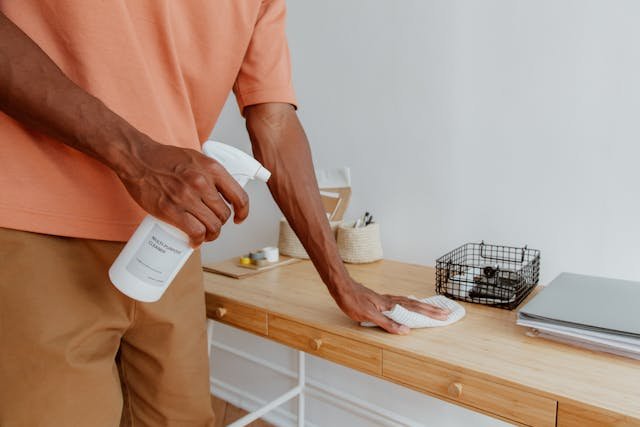
Most workplace kitchens and break rooms get a quick wipe-down at the end of the day, then a deeper clean on a schedule, and office cleaning in Norwich CT often follows that same rhythm to keep shared spaces in check. That routine helps, but it can still leave plenty of hidden bacteria zones behind. The tricky part is that many of these hotspots do not look dirty at all. Germs love surfaces that get touched constantly, stay slightly damp, or collect tiny crumbs and residue that no one notices until it becomes a bigger issue.
The high touch points everyone shares
A break room is basically a relay race of hands. One person microwaves leftovers, another grabs the fridge handle, someone else scoops ice, and the cycle repeats all day. Even when people are careful, shared spaces naturally build up microbes faster than private ones. Some of the most missed areas are the ones that feel “too small to matter” but get handled dozens of times per day.
The Sneakiest Bacteria Zones Hiding in Plain Sight
It’s easy to focus on counters and tables because they are visible and convenient to wipe. But the real trouble spots are usually the details around them. When you start thinking like bacteria, you realize the best hiding places are corners, seams, soft materials, and anything that stays warm or damp.
Fridge and freezer handles
Fridge handles get touched right after people come in from outside, after handling phones, and before washing hands. It’s also common for spills inside the fridge to drip and get missed until the next “big clean.” The outside may look spotless while the handle and gasket area hold onto germs and residue.
Microwave buttons and the door edge
Microwave keypads are a classic. What’s missed more often is the edge of the microwave door and the underside of the handle where fingers hook in. Food splatter inside the microwave is obvious, but the outside contact points can be just as messy, only less visible.
Coffee stations and the “wet zone” problem
Coffee makers, kettles, and drink stations create a constant damp environment. That moisture plus warmth is basically a welcome sign for bacteria and mold spores. Pay attention to drip trays, the area behind the machine, and any reusable stir containers. Also, sponges and dishcloths nearby can spread bacteria around like a paintbrush.
The “Clean Enough” Myth: Where Everyday Wiping Falls Short
Quick cleans are great for appearance, but they often skip what takes time. That usually means edges, seams, and anything that requires moving an object. In a commercial setting, those are exactly the places that build up grime between deep cleans and quietly impact hygiene.
Sink fixtures, drain areas, and the splash zone
People rinse dishes, dump coffee, and wash hands in the same sink. That creates a splash zone where bacteria can linger, especially around the faucet base, handles, and drain. The sink can look clean while the drain area stays biofilm-friendly.
Cabinet pulls and shared drawers
Break room drawers store utensils, napkins, tea bags, random containers, and sometimes old packets of who-knows-what. Hands touch these pulls all day, and crumbs collect inside corners. A wipe across the outside does not solve the buildup inside drawer lips and tracks.
The Role of Commercial Cleaning Services Between Deep Cleans
Commercial cleaning services help in a way that typical office routines often cannot. They bring consistency, professional-grade products, and an eye for the overlooked zones that employees understandably skip. Instead of cleaning only what’s obvious, a professional crew works through touchpoints and high-risk areas systematically, helping reduce the accumulation that happens in the weeks between deep cleans. They can also support better results by using proper disinfecting methods and dwell times, not just quick sprays and wipes.
What a professional checklist catches that people miss
A solid commercial cleaning plan targets the whole break room ecosystem: handles, switches, chair backs, appliance edges, sink fixtures, trash lid contact points, and the buildup that collects behind small appliances. It’s not about perfection, it’s about reducing risk and keeping the space consistently safe and pleasant to use.
The Not So Gross Fun Facts That Make You Think
A little knowledge makes hygiene habits stick. When people understand how germs actually move around, they’re more likely to wipe the right things and wash hands at the right moments.
Fun facts that change how you see your break room
Fun fact many bacteria can live on common surfaces for hours to days, depending on the type of germ and the surface material, which is why frequent touchpoints matter so much. Fun fact a damp sponge can hold more bacteria than many people expect, and using it to “clean” can spread microbes from one surface to another. Fun fact warmth and moisture are two of the biggest helpers for microbial growth, which is why coffee and sink areas need extra attention.
Where Move In and Move Out Cleaning Fits Into Workplace Hygiene
Even though move in and move out cleaning services are usually associated with homes, they matter in commercial spaces too, especially when an office is relocating, expanding, renovating, or onboarding a new tenant, and https://oasisnaturalcleaning.com/ can support that reset so the space feels truly ready from day one. This type of cleaning is more detailed than a typical maintenance visit and is designed to reset the space to a truly fresh baseline, not just a tidy appearance. It targets the areas that normal schedules often miss, like inside cabinets and drawers, behind appliances, baseboards, vents, corners where dust packs in, and residue that builds up over time. In break rooms specifically, move in and move out cleaning can address hidden grease film on upper surfaces, old spills under refrigerators, buildup around sink plumbing, and stubborn grime in grout lines or along edges. It also helps eliminate lingering odors that can hang around after years of daily lunches and coffee cycles. When paired with ongoing commercial cleaning, this reset clean makes the maintenance routine more effective because you’re maintaining a clean standard rather than trying to catch up to months or years of buildup.
Simple Habits That Make the Biggest Difference
A cleaner break room is not about turning employees into full-time cleaners. It’s about a few practical habits that reduce the biggest risks and make professional cleaning even more effective. Keeping the sink area dry when possible, swapping sponges frequently, wiping handles and buttons, and emptying trash before it overflows all help prevent the hidden bacteria zones from taking over. When the day-to-day basics are paired with reliable commercial cleaning services, the break room stays healthier, smells better, and feels like a place people actually want to use.