Maintaining quality during export is something most SFM Compile users run into at some point. It is rarely one setting that causes issues. More often, it is a mix of small choices that affect how the final animation looks once it leaves the software.
The export process is not just a final step. It involves several decisions that carry through to playback, editing, and sharing. Visual detail matters, but things like resolution, timing, and file handling tend to have just as much influence on the result. Taking a few extra minutes to check these areas can often prevent problems later and reduce the need for re-renders. In many cases, small corrections made early in the process save significantly more time than fixing issues after export. This is especially important when working on longer or more complex animation projects.
Defining high-quality export in animated workflows
Quality in export usually comes down to a few key points. Resolution is one of them. Exporting at the intended size avoids scaling problems that can soften the image. Most projects stick to standard outputs such as 1080p or 4K for this reason.
Frame rate is another area where problems show up quickly. If it changes or does not stay consistent, the animation can feel uneven. Keeping it locked at a steady value helps maintain smooth motion.
These details are easy to overlook, but they make a noticeable difference. The same idea applies in other areas where small changes affect the outcome. For example, when someone is looking to find a budget-friendly Burberry Goddess dupe, the differences are often subtle but still important. Export settings work in a similar way.
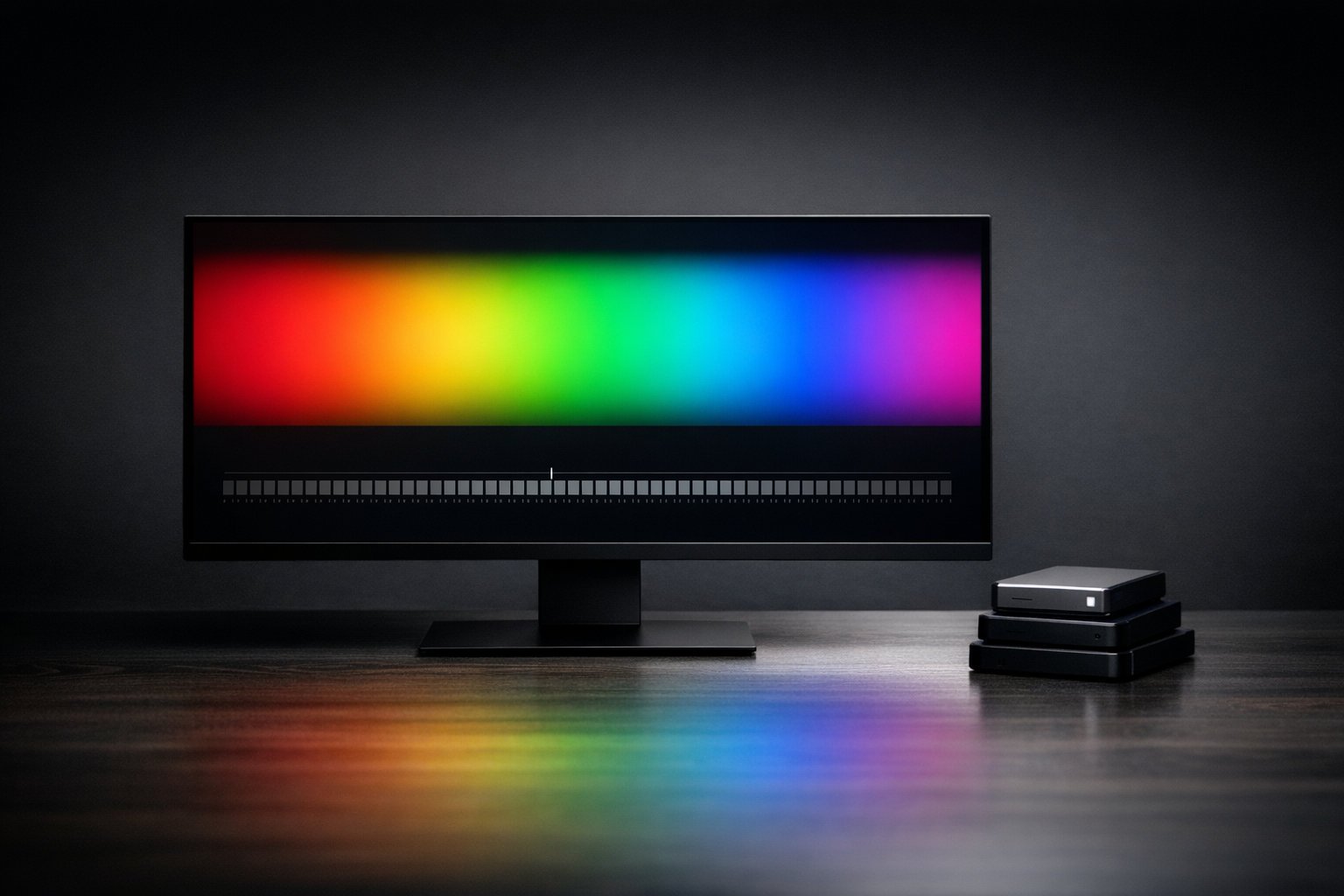
Color and lighting also need to stay consistent. If color space or gamma settings shift between programs, the result can look off. Checking exported frames against the original render is a simple way to catch this early. Motion should also remain smooth, so avoiding dropped frames or unwanted interpolation is important. Even small inconsistencies can stand out more once viewed on different devices or screens with different calibration. This is why testing across multiple displays can sometimes be helpful.
Weighing export formats and render settings
Choosing between image sequences and video files is a basic but important decision. Image sequences, such as PNG or TGA, store each frame without compression. This keeps more detail and is useful if further editing is planned.
The downside is the amount of data created. Even short clips can produce hundreds of files, which need to be stored and managed. Organizing these files properly can save time during editing and reduce the risk of missing frames. Keeping files in clearly labeled folders can also make long-term storage easier and prevent confusion later.
Video formats like MP4 or AVI are easier to work with. They are widely supported and quicker to handle. To keep quality as high as possible, it helps to use higher bitrates and reliable codecs. Lower settings can introduce compression artifacts or reduce clarity.
Render settings also play a role here. Anti-aliasing helps smooth edges, while motion blur can improve realism if used carefully. Both need to be balanced against render time and the level of detail required. Testing a short sequence first can help find the right balance without committing to a full render. This approach is often more efficient than adjusting settings after a full export has already been completed.
Maintaining color accuracy and synchronization
Color shifts are a common issue during export. A scene may appear darker, lighter, or slightly different once rendered if settings do not match across software. Keeping color space consistent helps avoid this, and comparing exported frames with the original is often enough to spot problems early.
Audio sync can also be affected during export. Even small timing differences can be noticeable, especially in dialogue or music-heavy scenes. A consistent frame rate helps prevent drift, and checking for dropped or duplicated frames is worth doing before finalizing the export.
In some cases, exporting audio separately can make it easier to confirm timing before combining it with the final video. Comparing waveforms can help ensure everything lines up correctly without relying on guesswork. This extra step can prevent issues that are harder to fix later and helps maintain a more professional result.
Checklist and fixes for a reliable export routine
A simple checklist can make the process more predictable. Before exporting, check that resolution and frame rate match your intended output. Running a short test render can help catch issues early and avoid wasting time on full-length exports that need correcting.
After export, review a few sections of the animation. Look for compression artifacts, color differences, or timing problems. Smaller issues can sometimes be corrected, but larger ones usually require changes to the original settings.
Sticking to a routine and checking key details along the way helps keep results consistent. Over time, this approach makes it easier to export animations that stay close to the original quality without repeated adjustments. It also builds a workflow that becomes quicker and more reliable with each project, reducing stress during tight deadlines.